Sleep Environment Optimization: Swedish-Inspired Lighting, Sound, and Material Choices
A calm, well-considered sleep environment is the quiet foundation of restorative rest. Drawing on Swedish design principles—simplicity, function, and a respectful relationship with natural materials—this feature explores how lighting, acoustics, and bedding textures can harmonize with the body’s circadian rhythms. The aim is not to chase trends but to illuminate practical strategies grounded in science and coastal Nordic sensibility, offering readers a clear path to a sleep-forward bedroom.
1) The rhythm of light: seasonal strategies for Swedish-inspired lighting
In Sweden, the tempo of daylight shifts with the seasons, shaping a cultural sensitivity to both the gift and the challenge of natural light. Designers and researchers alike emphasize light not merely as illumination but as a biological regulator. Our approach borrows from this ethos: use daylight to cue the body toward wakefulness while curating evening luminance that supports unwinding, melatonin production, and a gradual descent into sleep.
Key principles include layering light sources, choosing color temperature deliberately, and aligning lighting schedules with circadian biology. During long summer days, maximize natural daylight exposure and minimize glare that disrupts sleep. In winter and late autumn, when daylight wanes, embrace warm, dimmed light in the hours before bed to signal the body's transition to rest. The goal is to create a vignette of light that breathes with the day rather than fighting it with harsh, static illumination.
Practical recommendations inspired by Swedish design and sleep science:
- Layered lighting: Combine ambient ceiling lighting with adjustable task lamps and ambient sources to diffuse brightness without creating hotspots. A well-balanced mix reduces eye strain and fosters a predictable wind-down routine.
- Color temperature: Favor cooler cues in the morning (around 5,000–6,500 Kelvin) to help reset the circadian clock, and soften to warm hues (2,700–3,000 Kelvin) in the evening to encourage melatonin release. This gradual shift aligns with natural light patterns and supports sleep onset.
- Blue-light management: Diminish blue-enriched lighting after sundown. Consider warm-tinted bulbs or smart lighting systems that transition automatically as the day closes, preserving a sense of calm in the bedroom environment.
- Natural light strategy: If possible, position sleeping and resting zones to take advantage of daylight while avoiding direct glare on screens or reflective surfaces. Daylight has restorative benefits beyond mood—it's a signal of day and time that helps regulate rhythms.
- Night-friendly fixtures: Choose fixtures with diffusers or frosted enclosures that scatter light softly, preventing sharp contrast and reducing nocturnal awakenings due to stray luminescence.
Evidence from sleep research supports the idea that consistent, appropriately timed light exposure enhances sleep quality. A Swedish design lens adds nuance: it prioritizes minimalism and warmth, steering away from cluttered, bright environments that can disrupt the brain’s transition to rest. The result is a bedroom that feels calm during the day and quiet at night, a sanctuary tuned to natural cycles rather than artificial disruptions.
2) Soundscapes and acoustics: crafting a calm room
Sound is a silent actor in sleep performance. Even small disturbances—an outdoor fridge cycling on, distant traffic, or the cadence of a partner's breathing—can nudge the brain from deeper stages of sleep. A Swedish-inspired approach to sound emphasizes softness, absorption, and intentional placement to reduce disturbances while preserving the room’s sense of quiet, natural space.
Acoustic strategy hinges on three ideas: absorb, dampen, and balance. Soft furnishings, textiles, and layered materials absorb sound; strategic placement of furniture breaks sound corridors; and a balanced sound profile—the absence of sudden peaks in noise—supports uninterrupted sleep cycles.
Evidence-informed tactics to apply in a Swedish-inspired sleep space:
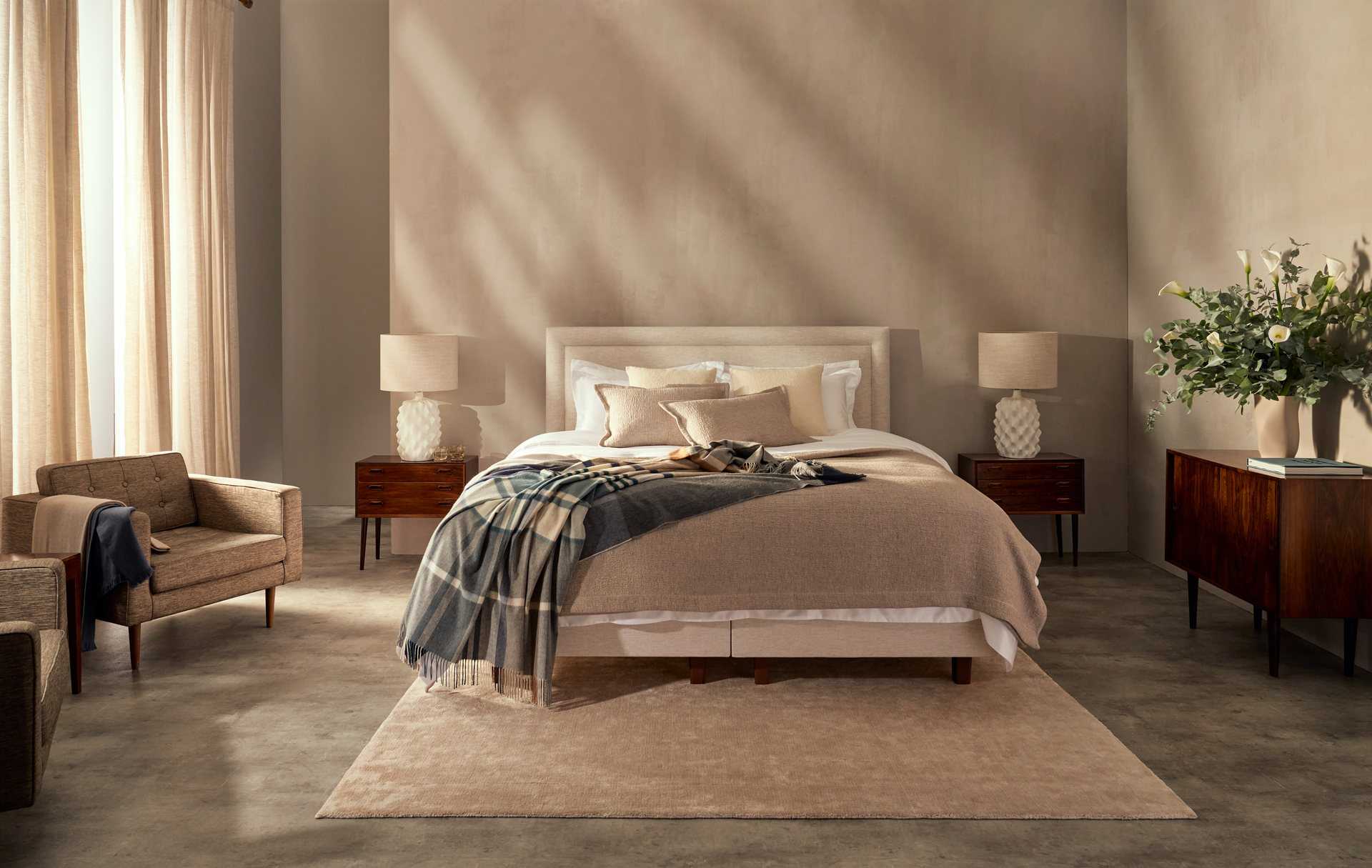
- Soft furnishings as acoustic partners: Heavier drapes, woven textiles, and plush rugs absorb high-frequency noise. Choose fabrics with a tactile, natural feel—cotton, wool, linen—while avoiding overly slick surfaces that reflect sound.
- Textile layering for quietude: A layering approach—curtains, a textile headboard, a cushioned bench or ottoman—creates a hierarchy of sound absorption. The goal is to dampen variability in the room without making it feel claustrophobic.
- White noise with intention: Gentle, consistent white-noise options can mask unpredictable sounds without introducing jarring audio events. The aim is a subtle, non-distracting backdrop rather than a loud, dominant sound source.
- Strategic layout: Place soft furnishings and seating away from the wall opposite sleeping surfaces to disrupt standing waves that can amplify noise. Consider the room’s geometry as a partner in acoustic health.
In practice, the Swedish minimalism mindset translates to a room that feels hushed by design. The objective is not to erase sound altogether but to curate a soundscape that supports slow, restorative sleep. Research in sleep psychology supports the idea that consistent ambient noise levels and minimal sudden noise contribute to longer slow-wave sleep and more stable REM patterns. Aligning this science with a Nordic sensibility yields a room that invites the mind to drift toward rest with fewer interruptions.
3) Bedding materials and textures aligned with Swedish minimalism
The tactile world of bedding—fabrics, weaves, and textures—plays a direct role in thermal regulation, comfort, and spinal support. A Swedish-inspired approach to materials embraces natural fibers, breathable weaves, and layerable setups that can be adapted to changing seasons and individual preferences. The emphasis is on simplicity that does not sacrifice comfort, where every layer serves a purpose and removes unnecessary clutter.
Key considerations include warmth management, moisture control, and postural alignment. Materials that breathe, wick moisture, and maintain a comfortable surface temperature support a more restful night. Layering allows for quick adjustments to temperature without needing heavy blankets or an overstuffed duvet—an embodiment of Scandinavian restraint that favors function over excess.
Practical recommendations for bedding selection and layering:
- Breathable base fabrics: Choose cotton percale, sateen blends, or linen as the foundational sheet layer. These fabrics offer moisture management and temperature neutrality suitable for diverse climates and personal comfort.
- Natural insulation: For cooler months, consider a breathable but warm layering approach—an airy duvet with a mid-weight insert or a natural-fiber comforter. Materials such as wool, wool-blend quilts, or natural cottons provide warmth without excessive heat retention.
- Texture variety: Blend smooth surfaces with soft textures to enhance perceived comfort and create a cozy, not overpowering, tactile environment. A lightweight throw or a knit blanket can add warmth where needed without bulk.
- Temperature zoning: For couples sharing a bed, layering strategies enable different microclimates on each side. Separate blankets or dual-zone comfort options can preserve individual comfort without disrupting shared sleep.
From a National Geographic-inspired lens, the bedding ensemble becomes more than a bed covering—it is a narrative of place, season, and everyday life. Natural fibers connect the sleeper to the earth, while thoughtful layering fosters a sense of calm that supports the body’s natural cycles.
4) A Nordic lens on sleep health: integration with circadian science
The Swedish-informed design story is not merely about aesthetics; it is about aligning the sleeping space with biological needs. Circadian biology teaches that light, dark, temperature, and noise interact to shape sleep timing and architecture. A room designed with this understanding becomes a partner in rest rather than a hurdle to it.
Implementation strategies include:
- Consistent bedtime rituals facilitated by a calm room—low light, reduced noise, and a comfortable surface—signal the brain that sleep is approaching.
- Temperature regulation that respects the body’s natural cooling process during the latter half of the night. A slightly cooler room supports deeper sleep, while not being uncomfortable or disruptive.
- Smart, non-intrusive environmental controls: Consider light profiles and sound management that integrate with daily routines without commanding attention. The aim is a seamless environment that responds to human needs rather than dictating them.
In this approach, design becomes a form of environmental medicine—an everyday habit that quietly supports health. Swedish-inspired strategies translate complex science into tangible changes: a stepwise lighting plan, a curated acoustic environment, and a carefully chosen bedding system that respects the body’s needs for warmth, airflow, and posture.
5) A practical blueprint for a Swedish-inspired sleep sanctuary
To help readers turn principles into practice, consider this blueprint—a sequence of steps that can be implemented in stages, reflecting both the needs of daily life and the cadence of the seasons.
- Audit the current space: Assess lighting sources, noise levels, and bedding materials. Identify gaps where calming, functional changes can be made with minimal disruption.
- Layer lighting thoughtfully: Introduce dimmable fixtures, warm-toned bulbs, and soft diffusers. Create a sunset cue with gradual dimming that mimics natural light transitions.
- Optimize acoustics: Add textiles and soft furnishings to absorb sound. Reconsider mirror placements, hard surfaces, and layout to reduce noise reflections. If using white noise, choose a gentle, consistent profile.
- Reassess bedding for seasonality: Introduce breathable sheets, a light duvet for spring/fall, and a warmer layer for winter. Favor natural fibers that regulate moisture and temperature.
- Establish a pre-sleep routine: Disconnect devices, lower brightness, and initiate a calming activity (a book, light stretching, or mindfulness) to cue the body for rest.
These steps are designed to be scalable—from a single-room makeover to a longitudinal, seasonal refresh. They embody the spirit of Swedish design: purposeful simplicity that elevates daily life through small, meaningful changes.
6) Resource note: trusted sources and further exploration
In compiling sleep guidance, it is important to anchor insights in credible sources, including national health guidelines, sleep science literature, and occupational health perspectives. Readers seeking deeper technical detail on circadian biology, sleep stages, or environmental health are encouraged to consult established medical and scientific resources, as well as peer-reviewed research that informs practical recommendations for home environments.
The aim of this article is to translate rigorous science into an accessible, design-forward framework. By embracing Swedish-inspired minimalism—clarity, restraint, and warmth—we arrive at a sleep sanctuary that respects the body’s rhythms while offering a space that feels calm, purposeful, and restorative.
7) Product note: alignment with available offerings
Within this narrative of sleep optimization, select products can support the envisioned environment when they genuinely fit the article’s themes. The following item aligns with the concept of a high-quality, tailored sleep base that complements a Swedish-inspired room’s emphasis on customization, comfort, and quiet operation:
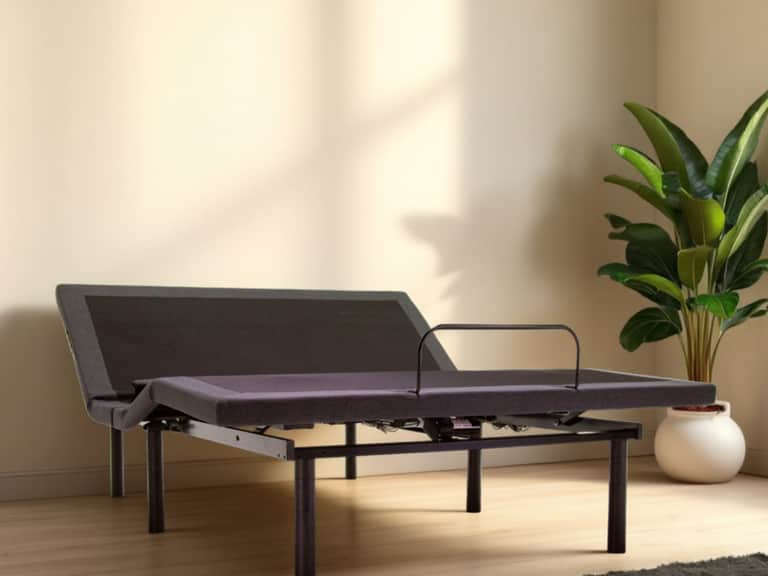
- The Clean Bedroom (Level 4) Adjustable Bed Base — This base offers independent head and foot lift, lumbar support, programmable presets, VibraSense massage, ambient underbed lighting, and a sleep-tracking feature in SnoreSense. It is designed to support personalized comfort, which aligns with the article’s emphasis on customized, health-conscious sleep surfaces. Link to product: /products/the-clean-bedroom-level-4-adjustable-bed-base
When selecting bedding and lighting accessories, prioritize natural materials and design that harmonizes with the room’s calm aesthetic. The philosophy is not to overwhelm the space with devices but to curate tools that enhance sleep health, comfort, and the experience of rest.
Conclusion: a sleep-forward outlook rooted in place
In the end, a Swedish-inspired sleep environment is not a stage for visual drama but a stage for quiet, purposeful living. It is where light changes with the day, sound is softened by textiles and thoughtful layout, and bedding speaks softly of natural materials and measured layering. This approach invites the sleeper to inhabit the space consciously—one that supports circadian rhythms, reduces sleep interruptions, and fosters a sense of well-being that extends beyond the bedroom walls.
As with any thoughtful design, the strongest rooms are those that evolve with our lives. Through a mindful blend of lighting strategy, acoustics, and material choices, a bedroom becomes more than a place to sleep—it becomes a daily practice of health, comfort, and a quiet, enduring connection to the world outside and the restful moments within.